
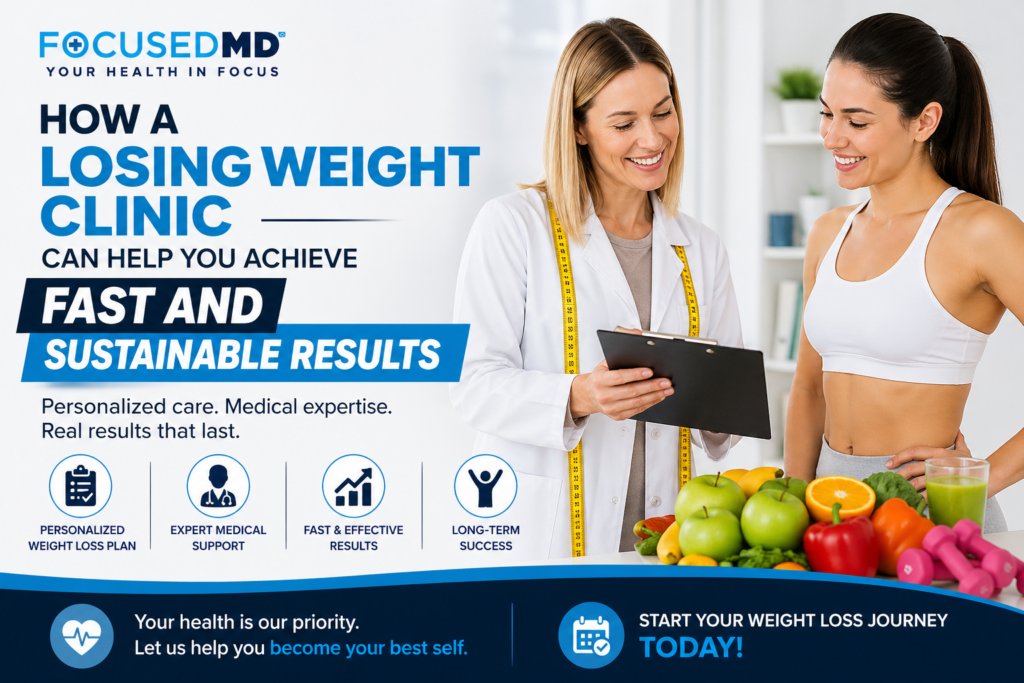
Why Losing Weight Feels So Hard Today
If you’ve ever tried to lose weight on your own, you already know how frustrating the process can be. Between conflicting diet advice, quick-fix trends, and unrealistic expectations, it’s easy to feel stuck in a cycle of starting and stopping. Many people turn to a losing weight clinic because they want real, lasting results—not temporary changes that disappear after a few weeks.
The truth is, sustainable weight loss isn’t just about eating less or exercising more. It’s about understanding your body, your habits, and the underlying factors that influence your health. That’s where professional support can make all the difference.
In this blog, we’ll explore how structured, medically guided programs can help you achieve both fast and sustainable results, without compromising your long-term health.
What Is a Weight Loss Clinic and How Does It Work?
A weight loss clinic is a healthcare-based program designed to help individuals lose weight safely and effectively through personalized care. Unlike generic diet plans, these clinics focus on evidence-based strategies tailored to your unique needs.
Key Components of a Professional Program
Most clinics offer a combination of:
- Medical evaluation to assess your health status
- Personalized diet plans based on your metabolism and lifestyle
- Exercise guidance suited to your fitness level
- Behavioral coaching to address habits and mindset
- Ongoing monitoring and support
This comprehensive approach ensures that your weight loss journey is not only effective but also sustainable over time.
Why DIY Weight Loss Often Fails
Before understanding the benefits of professional help, it’s important to recognize why self-guided efforts often don’t work.
1. Lack of Personalization
Most online diets are “one-size-fits-all,” which rarely works because every body is different.
2. Unrealistic Expectations
Crash diets promise quick results but often lead to burnout and regain.
3. No Accountability
Without support, it’s easy to lose motivation or fall back into old habits.
4. Ignoring Underlying Health Issues
Conditions like hormonal imbalances, insulin resistance, or stress can significantly impact weight loss.
This is where doctor supervised weight loss programs stand out—they address the root causes, not just the symptoms.
Benefits of Choosing a Professional Weight Loss Program
1. Personalized Treatment Plans
One of the biggest advantages is customization. Clinics create plans based on:
- Age and gender
- Medical history
- Lifestyle habits
- Weight loss goals
This tailored approach improves both effectiveness and safety.
2. Faster Yet Safe Results
While crash diets may show quick results, they often harm your metabolism. A medically guided plan ensures:
- Healthy fat loss instead of muscle loss
- Balanced nutrition
- Sustainable progress
This balance helps you lose weight faster without risking your health.
3. Expert Medical Supervision
Medical professionals monitor your progress and make necessary adjustments along the way. This is especially important if you have:
- Diabetes
- Thyroid issues
- High blood pressure
With medical weight loss, you get the reassurance that your health is always a priority.
4. Long-Term Sustainability
The goal isn’t just to lose weight—it’s to keep it off. Clinics focus on:
- Building healthy habits
- Teaching portion control
- Improving your relationship with food
This ensures that your results last beyond the program.
5. Accountability and Motivation
Regular check-ins and support systems help you stay on track. Knowing someone is guiding your progress can significantly boost consistency.
The Science Behind Sustainable Weight Loss
Sustainable weight loss is rooted in science, not trends.
Calorie Balance and Metabolism
Weight loss occurs when you burn more calories than you consume—but metabolism plays a crucial role in how efficiently your body does this.
Hormonal Influence
Hormones like insulin, cortisol, and leptin affect hunger, fat storage, and energy levels.
Behavioral Patterns
Habits such as emotional eating, late-night snacking, or sedentary routines can slow progress.
A structured program addresses all these factors together, rather than focusing on just one.
What to Expect During Your Journey
Step 1: Initial Consultation
Your journey begins with a detailed health assessment, including:
- Body composition analysis
- Medical history review
- Goal setting
Step 2: Customized Plan Creation
Based on your assessment, experts design a plan that includes:
- Nutrition strategy
- Activity recommendations
- Lifestyle modifications
Step 3: Regular Monitoring
Progress is tracked through:
- Weekly or bi-weekly check-ins
- Adjustments to your plan
- Ongoing feedback
Step 4: Habit Transformation
You’ll learn practical skills like:
- Meal planning
- Mindful eating
- Stress management
Step 5: Maintenance Phase
Once you reach your goal, the focus shifts to maintaining your results through sustainable practices.
Key Features That Set Clinics Apart
Holistic Approach
Instead of focusing only on weight, clinics prioritize overall health and well-being.
Evidence-Based Methods
Programs are based on clinical research, not trends or fads.
Support System
From nutritionists to medical professionals, you have a team guiding you every step of the way.
Tips to Maximize Your Results
Even with professional help, your commitment matters. Here are some tips to get the best outcomes:
Stay Consistent
Small, consistent efforts lead to long-term success.
Be Honest About Your Habits
Transparency helps your provider create a better plan.
Follow Recommendations Closely
Trust the process and avoid mixing multiple diets.
Focus on Progress, Not Perfection
Weight loss is a journey, not a race.
Common Myths About Weight Loss Clinics
Myth 1: They Are Only for Extreme Cases
In reality, anyone looking for structured guidance can benefit.
Myth 2: Results Are Temporary
With proper guidance, results can be long-lasting.
Myth 3: It’s Too Expensive
When you consider the long-term health benefits, it’s an investment in your well-being.
Who Should Consider a Professional Program?
You may benefit from a structured program if:
- You’ve tried multiple diets without success
- You have underlying health conditions
- You want a safe and guided approach
- You need accountability and motivation
The Role of Nutrition in Your Success
A major part of any program is nutrition.
Balanced Diet Over Restriction
Instead of eliminating foods, the focus is on balance.
Macronutrient Optimization
Proper ratios of protein, carbs, and fats support fat loss and energy.
Hydration and Micronutrients
Vitamins, minerals, and water intake are essential for overall health.
Exercise: More Than Just Burning Calories
Exercise in a structured program is tailored, not extreme.
Types of Recommended Activities
- Strength training for muscle retention
- Cardio for heart health
- Flexibility exercises for mobility
The goal is to create a routine that fits your lifestyle.
Mental and Emotional Support Matters
Weight loss isn’t just physical—it’s emotional too.
Behavioral Coaching Helps You:
- Overcome emotional eating
- Build confidence
- Stay motivated during plateaus
This psychological support is often the missing piece in DIY approaches.
How to Choose the Right Clinic
When selecting a program, look for:
- Qualified medical professionals
- Customized plans
- Transparent processes
- Positive patient outcomes
Avoid programs that promise unrealistic results or rely heavily on supplements.
Conclusion: Take the First Step Toward Lasting Change
Achieving your weight loss goals doesn’t have to be a struggle filled with guesswork. With the right guidance, tools, and support, you can transform your health in a way that lasts.
A professional program provides the structure, expertise, and accountability needed to move beyond temporary fixes and build lifelong habits. Whether you’re just starting out or have faced repeated setbacks, the right support system can make all the difference.
If you’re ready to take control of your health, a trusted losing weight clinic can help you achieve faster results while ensuring they are safe, sustainable, and truly life-changing.
FAQs
1. How quickly can I see results?
Most people begin to notice changes within a few weeks, depending on their plan and consistency.
2. Is medical weight loss safe?
Yes, when supervised by qualified professionals, it is one of the safest approaches.
3. Do I have to follow a strict diet?
No, plans are usually flexible and designed to fit your lifestyle.
4. Can I maintain results after the program?
Yes, clinics focus on long-term habits to help you sustain your progress.
5. Do I need to exercise heavily?
Not necessarily. Programs include manageable and personalized activity levels.