
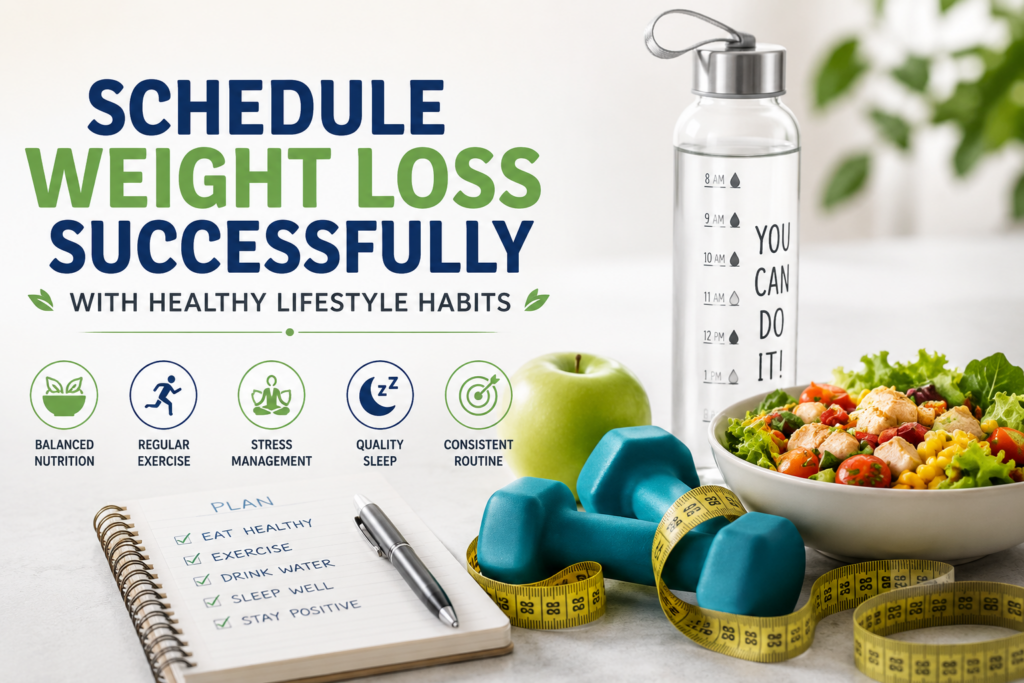
Maintaining a healthy body requires consistency, patience, and a realistic routine that fits daily life. Many people struggle with long-term progress because they rely on short-term diets or intense fitness trends that are difficult to maintain. The better approach is to create a structured lifestyle plan focused on balanced nutrition, regular physical activity, stress management, and sustainable habits. When individuals decide to schedule weight loss as part of their overall wellness routine, they often find it easier to stay organized and motivated throughout the journey.
At FocusedMD, personalized healthcare and wellness support help patients build healthy routines designed around their individual needs. A balanced approach not only improves physical appearance but also supports better energy levels, heart health, confidence, and long-term wellness.
Understanding the Importance of Routine
One of the most common reasons people lose motivation during a wellness journey is inconsistency. Healthy habits are easier to maintain when they become part of a regular daily routine instead of temporary lifestyle changes. Structure helps reduce stress and removes the uncertainty that often leads to unhealthy decisions.
A well-organized routine supports:
- Better time management
- Improved eating habits
- Consistent physical activity
- Healthier sleep patterns
- Reduced emotional eating
- Stronger long-term discipline
Daily routines create stability, which is essential for maintaining both physical and mental wellness. Even small changes practiced consistently can produce meaningful long-term results.
Setting Realistic Health Goals
Healthy progress begins with setting goals that are achievable and sustainable. Unrealistic expectations often create frustration and increase the likelihood of giving up early. Gradual improvement is usually safer and more effective than extreme changes.
Examples of realistic wellness goals include:
- Increasing daily physical activity
- Improving hydration habits
- Reducing processed foods
- Cooking meals at home more often
- Improving sleep quality
- Managing stress levels consistently
Breaking large goals into smaller milestones makes progress easier to track and helps maintain motivation throughout the process.
The Role of Nutrition in Long-Term Wellness
Balanced nutrition plays a major role in maintaining a healthy body and improving overall energy levels. Many people focus only on reducing calories, but food quality is equally important. A balanced eating plan should provide nutrients that support metabolism, muscle function, immune health, and energy production.
Focus on Whole Foods
Whole foods provide vitamins, minerals, and nutrients that processed foods often lack. A healthy diet may include:
- Fresh vegetables
- Fruits
- Lean proteins
- Whole grains
- Healthy fats
- Low-fat dairy products
Whole foods help support digestion, improve fullness after meals, and reduce unnecessary sugar and sodium intake.
Avoid Extreme Dieting
Extreme dieting may cause temporary changes, but it is often difficult to maintain for long periods. Severely restricting calories can also reduce energy levels and negatively affect metabolism.
Instead of following overly restrictive eating plans, focus on:
- Balanced portions
- Consistent meal timing
- Healthy snacks
- Mindful eating habits
- Long-term sustainability
Healthy eating should feel realistic and manageable for everyday life.
Why Meal Planning Matters
Meal planning is one of the most effective ways to improve consistency and avoid unhealthy food choices. Busy schedules often lead people to rely on fast food or processed meals because they are convenient. Preparing meals ahead of time helps reduce this problem.
Benefits of Meal Planning
- Better portion control
- Reduced unhealthy snacking
- Easier grocery shopping
- Less food waste
- Improved nutritional balance
- More consistent eating habits
Planning meals for the week also helps reduce stress and saves time during busy workdays.
Healthy Meal Preparation Tips
- Prepare vegetables and proteins in advance
- Store healthy snacks nearby
- Use smaller plates for portion awareness
- Limit sugary beverages
- Include protein with every meal
- Drink water throughout the day
Simple preparation strategies can make healthy eating far easier to maintain consistently.
The Importance of Physical Activity
Regular physical activity supports heart health, muscle strength, flexibility, and mental wellness. Exercise also helps improve mood and reduce stress levels, making it easier to maintain healthy habits over time.
Choosing Enjoyable Activities
Exercise does not need to feel overwhelming. Many people are more successful when they choose activities they genuinely enjoy.
Popular options include:
- Walking
- Cycling
- Swimming
- Strength training
- Yoga
- Dancing
- Hiking
Enjoyable activities increase consistency and reduce the feeling of exercise being a burden.
Start Slowly and Build Consistency
Beginners should focus on creating a manageable routine instead of intense workouts. Even short periods of movement provide important health benefits.
Helpful starting strategies include:
- Walking 20–30 minutes daily
- Stretching every morning
- Taking stairs instead of elevators
- Exercising with a friend
- Scheduling activity at the same time daily
Consistency is more important than intensity during the early stages of building healthier habits.
Sleep and Recovery Support Overall Wellness
Sleep is often overlooked when discussing physical wellness, but it plays an essential role in maintaining healthy energy levels and supporting recovery. Poor sleep habits may affect hunger hormones, increase stress, and reduce motivation for healthy activities.
Healthy Sleep Habits
- Maintain a consistent bedtime
- Avoid heavy meals late at night
- Limit screen time before bed
- Create a calm sleeping environment
- Reduce caffeine intake in the evening
Adults generally benefit from seven to nine hours of quality sleep each night.
Managing Stress Effectively
Stress can influence eating behaviors, energy levels, and motivation. Emotional stress often leads to unhealthy coping habits such as overeating or inactivity.
Healthy Stress Management Techniques
- Meditation
- Deep breathing exercises
- Journaling
- Walking outdoors
- Spending time with family
- Listening to music
- Practicing gratitude
Stress management improves emotional wellness and supports healthier daily choices.
Building Healthy Habits Gradually
Trying to change everything at once can feel overwhelming. Lasting success often comes from making gradual improvements over time.
Small Changes That Make a Difference
- Drinking more water daily
- Eating breakfast consistently
- Reducing sugary drinks
- Adding vegetables to meals
- Walking after dinner
- Preparing lunches at home
Small habits become easier to maintain and often create a strong foundation for long-term progress.
Accountability Improves Motivation
Having accountability can make a major difference during any wellness journey. Support from healthcare professionals, friends, or family members often helps individuals remain focused on their goals.
Ways to Stay Accountable
- Keep a wellness journal
- Track meals and exercise
- Join a fitness group
- Set weekly goals
- Celebrate small achievements
- Schedule regular health checkups
Positive accountability encourages consistency without creating unnecessary pressure.
The Benefits of Professional Guidance
Every individual has unique health needs, lifestyle challenges, and goals. Professional guidance can help create a safe and personalized wellness plan that fits individual circumstances.
Healthcare professionals may provide:
- Nutritional guidance
- Preventive care support
- Health monitoring
- Lifestyle recommendations
- Personalized wellness strategies
- Ongoing motivation and education
Professional support also helps identify medical conditions that may affect physical wellness or energy levels.
At FocusedMD, patients receive compassionate and personalized care designed to support healthier lifestyles and long-term wellness improvements.
Staying Motivated During the Journey
Motivation naturally changes over time, which is why routine and discipline are important. Focusing only on physical appearance can sometimes make progress feel discouraging. Instead, pay attention to improvements in overall quality of life.
Positive changes may include:
- Better energy levels
- Improved confidence
- Better sleep quality
- Increased mobility
- Healthier eating habits
- Reduced stress
- Improved mood
Recognizing non-scale victories can help maintain motivation even when progress feels slow.
Long-Term Wellness Is the Real Goal
Healthy living is not about perfection. It is about building habits that support long-term physical and emotional wellness. Sustainable progress comes from consistency, patience, and making realistic choices that fit everyday life.
People who focus on long-term improvement often experience greater satisfaction and healthier lifestyles overall. Choosing balanced nutrition, regular movement, stress management, and proper rest can create meaningful changes that last for years.
As individuals continue to improve their daily routines and prioritize self-care, it becomes easier to schedule weight loss goals within a realistic and manageable lifestyle plan. Long-term wellness is achieved through small consistent actions that support healthier living every day.
Frequently Asked Questions
How can healthy routines improve wellness?
Healthy routines improve consistency with eating habits, physical activity, sleep, and stress management.
Why is meal planning important?
Meal planning helps reduce unhealthy food choices and supports balanced nutrition throughout the week.
What type of exercise is best for beginners?
Walking, stretching, cycling, and light strength training are excellent starting points for beginners.
How does sleep affect physical wellness?
Quality sleep supports recovery, energy levels, stress reduction, and healthy daily habits.
Can professional guidance improve long-term results?
Yes. Personalized healthcare support can help individuals create realistic wellness plans tailored to their needs.